Showing posts with label redshank. Show all posts

Saturday, January 27, 2007

Norfolk


Lesser Yellowlegs, Thornham Harbour

Male Goldeneye

Female Goldeneye

The resident female Scaup at Snettisham

The Wash at Snettisham

Thornham Harbour


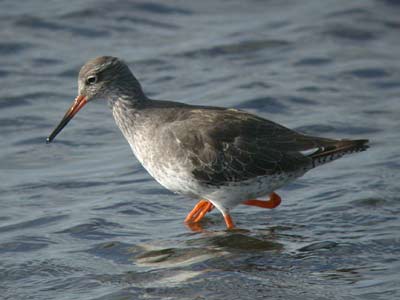
Redshank

Rock Pipit

Thornham Harbour

digiscoped photos taken with Nikon Coolpix 995 + Leica Apo Televid 77 with 20x eyepiece

Sunday, August 27, 2006

Norfolk


It's a bit silly to go to the north Norfolk coast on a Bank Holiday weekend and then moan because there are lots of people about...

Anyway...

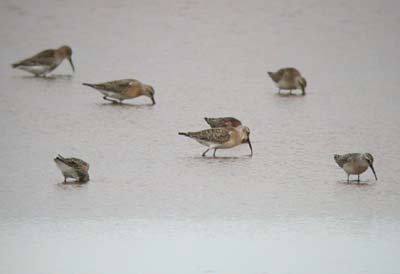
Lots of birds at Titchwell, too. Mixed flock of Dunlin and Curlew Sandpipers

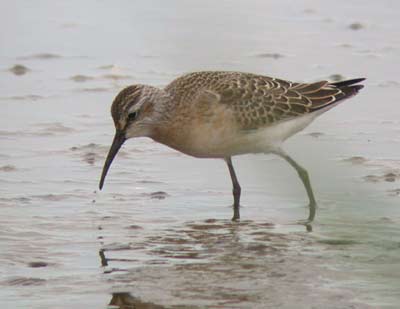
Curlew Sandpiper with Phragmites in the way...


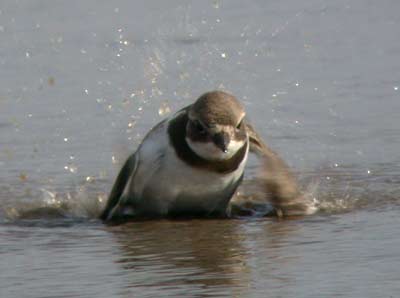
Bathtime for Ringed Plover


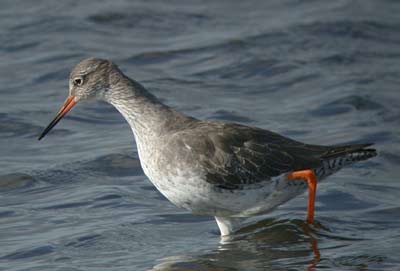
Redshank

Teal dabbling

Snipe probing

Will Bowell and David Roche had counted 24 species of wader on the lagoons and beach, which I think would have been...
  1. Dunlin
  2. Curlew Sandpiper
  3. Black-tailed Godwit
  4. Bar-tailed Godwit
  5. Lapwing
  6. Golden Plover
  7. Grey Plover
  8. Sanderling
  9. Temminck's Stint
  10. Little Stint
  11. Redshank
  12. Spotted Redshank
  13. Curlew
  14. Snipe
  15. Green Sandpiper
  16. Common Sandpiper
  17. Oystercatcher
  18. Avocet
  19. Ringed Plover
  20. Turnstone
  21. Greenshank
  22. Ruff
  23. Knot?
  24. Wood Sandpiper?
Before hitting Titchwell, we took a walk along the hedgerows at Burnham Overy Staithe, only to find it congested with dog-walkers and a selection of eccentrically-dressed birders, and devoid of birds. Nice Migrant Hawkers, though.

Lunch was had at The Chequers Inn, Binham, and was very good. I can recommend the steak and ale pie. Am I getting middle-aged?

Nearly forgot to mention that I had a Titchwell tick - a small boy having his bum wiped by his mother, on the main path to the beach, fully exposed to the cold north-westerly wind. Poor sod. No wonder he didn't look very happy. Is there anything people won't do on nature reserves? It seems not...

digiscoped photos taken with Nikon Coolpix 995 + Leica Apo Televid 77 with 20x eyepiece

Saturday, July 15, 2006

Minsmere and Sizewell

Redshank

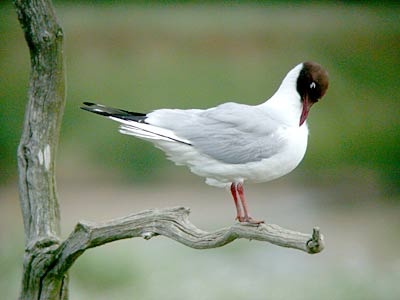
Black-headed Gull, Larus ridibundus arborea

Juvenile Moorhen

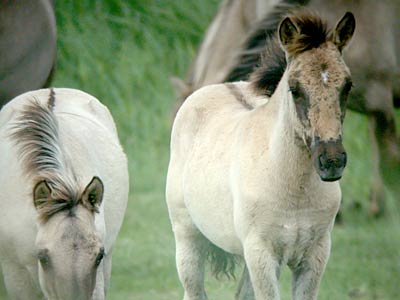
My first-ever equine digiscoping - Konik pony colts grazing the reserve

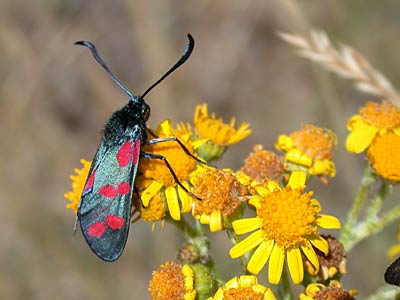
Six-spot Burnet Moth at Sizewell

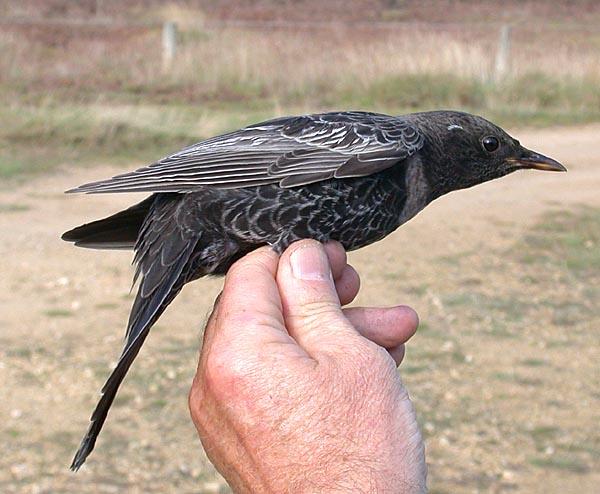
The beast itself...

digiscoped photos taken with Nikon Coolpix 995 + Leica Apo Televid 77 with 20x eyepiece

Friday, January 06, 2006

Norfolk

Extract from my 'other' blog, The Not Very Big Year...


Hunstanton Cliffs - home to Fulmars and Feral Pigeons

Sometimes, when it's cold, grey and miserable, I wonder why it is I bother to go birdwatching. Wednesday was a good [bad] example. Crap weather and no birds.

I think the setting must make all the difference, because today Norfolk was cold, grey and miserable - the sun never came out - but there were some great birds to be seen and I wasn't quite as grumpy as normal.

We hadn't even reached our first planned stop when long skeins of Pink-footed Geese began crossing the skies above us. Birds going from their night-time roost sites to their daytime beet-field feeding hang-outs. It's a Norfolk birding cliche, but always an awesome sight, not to be sniffed at.

On a cold January Friday morning, it was quiet on Hunstanton seafront and Turnstones scuttled around in the gutter, in the manner of Starlings, while Herring Gulls lurked in gardens and car-parks.


Herring Gull - king of the British seaside resort

But they weren't our 'sunny-Hunny' target birds. No, we wanted Fulmars, and we got them, as they glided stiffly around the cliffs on their mini-albatross wings.

Below, family parties of Brent Geese indulged in a little breakfast-time surfing and pecked at the seaweed which encrusted the boulders below the cliffs. More Turnstones, Oystercatchers and Redshanks there, but sadly no Purple Sandpipers.


Oystercatcher hammers mussel while Redshank can only watch

Time to look out to sea. Well, into The Wash, anyway. With no wind, seawatching conditions weren't exactly ideal, but it made it a lot more comfortable.

It wasn't too long before one Red-throated and one Great Northern Diver came into view. Not close by normal birding standards, but good for seawatching. Much closer was a Guillemot, to Darren's great delight. They don't get many in Bedfordshire so he hadn't seen one before.


Darren's first Guillemot

I think that means he owes me a pint.


RSPB Titchwell meeter-and-greeter

Darren is quite derogatory about 'Titchwell Zoo', as he calls it, but I reckon you can't knock it too much. Wander down the track to the beach and there are Spotted Redshanks feeding, unperturbed, virtually within spitting distance.


Spotted Redshank

On the sea, a slick of Common Scoters was forming. Trails of birds from further offshore made up a flock of around 3,000 birds - another impressive sight which included about eight Velvet Scoters. Slightly closer, a couple of smart, piebald Slavonian Grebes (another lifer for DO-M, and it wasn't even lunchtime) pootled about, and a small group of Red-breasted Mergansers bobbed around on the waves.


The scoter flock off Titchwell beach

A drive up to Choseley found a flock of around 400 Corn Buntings and some very pleasant, canary-yellow Yellowhammers. Titchwell drew us back again, with news of a Bean Goose with a flock of Pinkfeet on fields by the entrance. More than an hour's scrutiny of the flock, in terrible light, failed to nail the bird conclusively... Still, it's not a British breeding species so we don't need it for our list anyway.

Species added today:
Pink-footed Goose
79. Herring Gull
Turnstone
80. Oystercatcher
Brent Goose
81. Fulmar
Bar-tailed Godwit
82. Guillemot
83. Red-throated Diver
Great Northern Diver
Sanderling
84. Shelduck
85. Curlew
86. Little Egret
87. Cetti's Warbler
88. Egyptian Goose
Spotted Redshank
89. Black-tailed Godwit
90. Ringed Plover
91. Dunlin
Knot
Grey Plover
92. Common Scoter
Velvet Scoter
93. Slavonian Grebe
94. Red-breasted Merganser
95. Avocet
96. Corn Bunting
97. Grey Partridge
98. Merlin
99. Barn Owl


photos taken with Nikon Coolpix 995 + Leica Apo Televid 62 with 16x eyepiece

Saturday, October 15, 2005

Skegness


For about the first time this autumn, the wind had turned easterly, so I thought it might be a good idea to visit the coast. Most people in this neck of the woods automatically head for Norfolk, but I fancied something different.

Inspired by the Further Adventures of Kevin Du Rose (who always has rarities coming to eat out of his hand while he's sitting on Skegness seafront, or something like that), we left for Lincolnshire early-ish on Saturday morning.

After a wander around Skegness itself (the dunes and scrubby bits, rather than the amusement arcades and other delights), it was evident that there was some Serious Migration going on. A Brambling wheezed overhead while a couple of Lesser Redpolls... 'chipped' (or whatever it is they do) and dozens of Redwings seeped in.

[I had a great bacon sandwich, as well...]


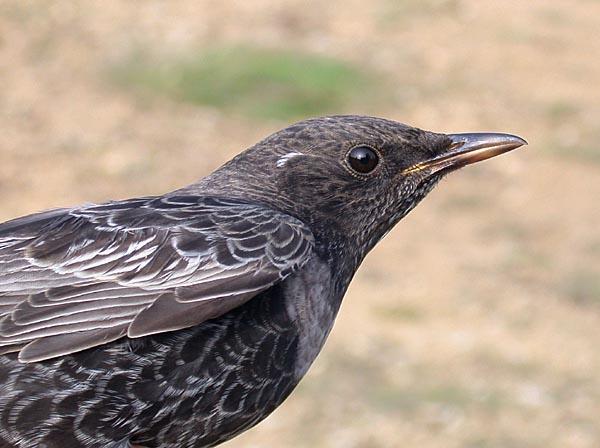
However, we didn't find many Goldcrests and birds on the deck generally seemed to be around in small numbers. Time to head to Gibraltar Point. On arriving in the car-park, we heard that a Ring Ouzel had been trapped and was going to be released at the observatory [which isn't really as grand as it sounds; it's a small, dark concrete shed].


A pretty nice bird, which called obligingly as it was released.

More walking around through the dunes and along the beach. Redwings were calling all the time, literally having just come in from the continent. Some dropped into the buckthorn immediately as they made landfall, while other stayed in flocks of 30-40 and went further inland. They were easily audible but not always easy to see - they looked more like clusters of midges some of the time, they were so high up.

That's the overriding memory of the day for me - the Redwings coming in.


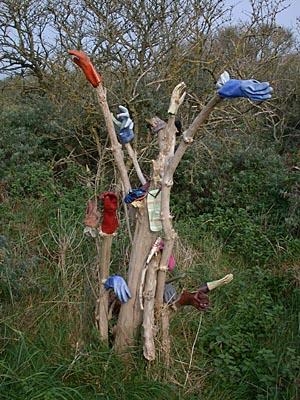
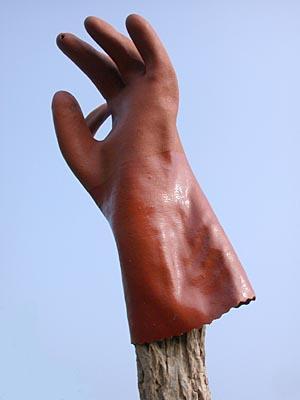
However, this unusual 'installation' was also of interest... I've no idea what's going on, but possibly someone hung a piece of lost property on the dead tree once upon a time, and now it sports a range of gloves and assorted footwear.

[Another pic of it here, on www.geograph.co.uk, an interesting site...]


Everything's A-OK.

A variety of stuff from the hides:

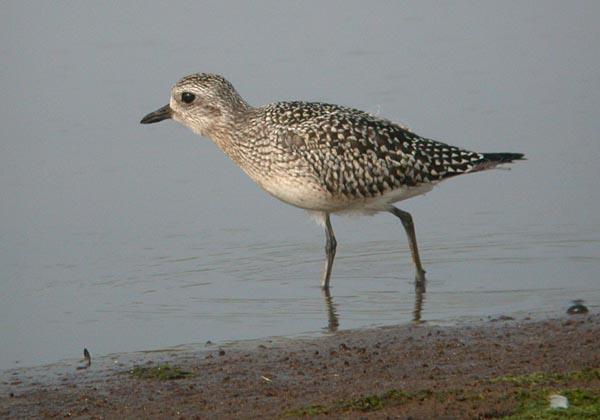
Grey Plover


Redshank


Lesser Black-backed Gull munching on local crab


Curlew

So, what happened to the rarities, you may ask? Don't ask me. Despite a few hours working the Plantation hard - very hard indeed- we even struggled to find many Goldcrests. Never mind a Yellow-browed Warbler, which was what I really wanted, or a Firecrest.

Another day...

photos taken with Nikon Coolpix 995 + Leica Apo Televid 62 with 16x eyepiece

Sunday, August 07, 2005

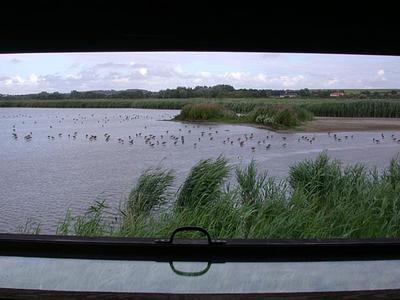
In the hide at Titchwell


Click for bigger version (it's almost like being there, but less windy)

This was a view from Island Hide at RSPB Titchwell Marsh this afternoon, where I spent most of the day, it seems. Hordes of Black-tailed Godwits, in a variety of adult summer, winter and juvenile plumages, showing splendidly. It's a shame that the sun felt unable to show itself at the same time, but that's the British weather for you.

[There is a bit of writing at the bottom of this post, if you're getting bored of waiting for the photos]

Warning: you are now entering the Wader Zone

[Don't click on the rest, they won't get any bigger]


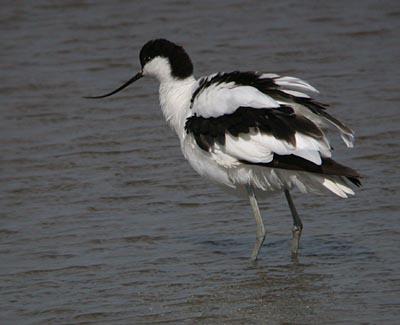
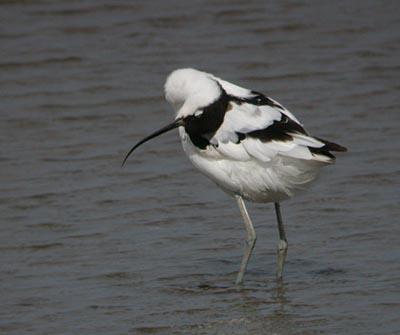
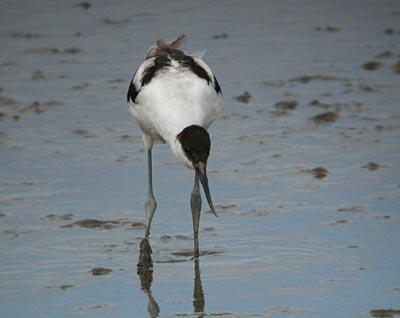
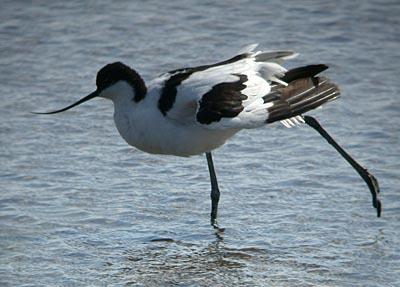
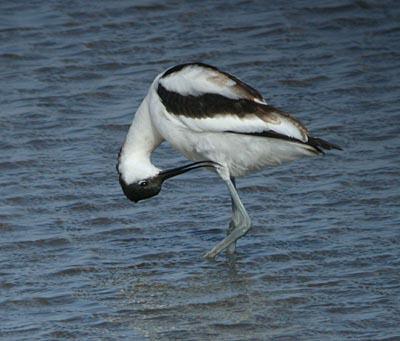
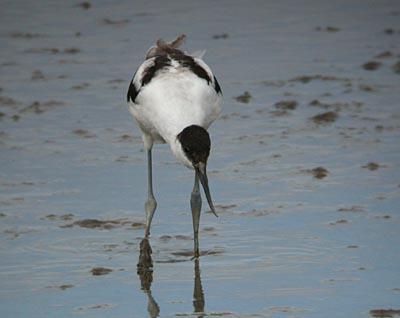
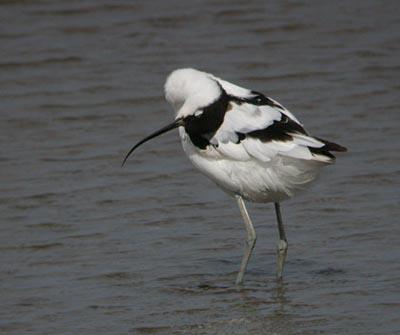
Avocets, in various poses. Though some people whinge about their habits of chasing other birds away, you can't beat Avocets for striking good poses.


"It's too windy here; I want to go somewhere else"
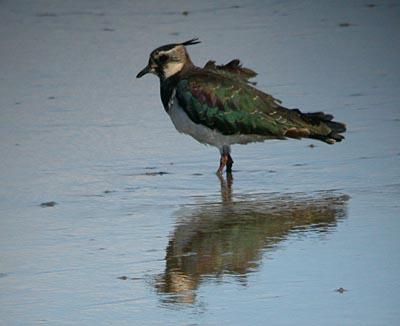


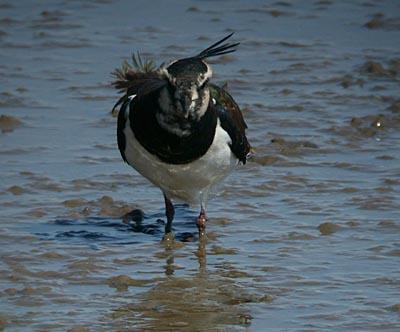
Lapwing. Truly gorgeous, especially when the sun was out.


Ruff. A motley assortment of different plumages, some neater than others.


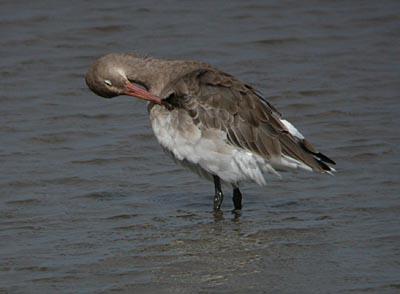
Black-tailed Godwit. On reflection, I think this is probably my favourite wading bird. Hard to digiscope today because of the rapid feeding action.
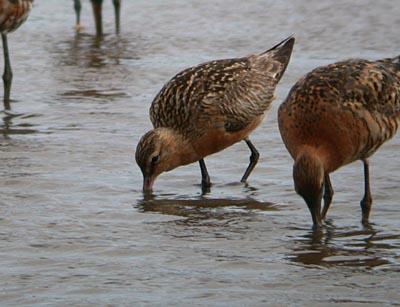

Bar-tailed Godwit. Spot the difference.


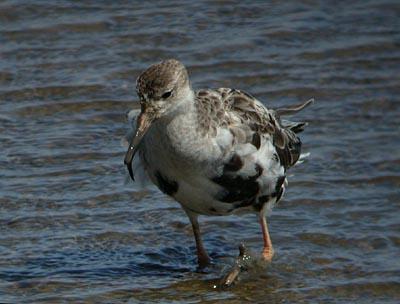
Juvenile Redshank.

Not waders:
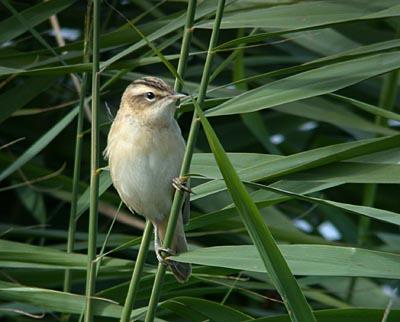
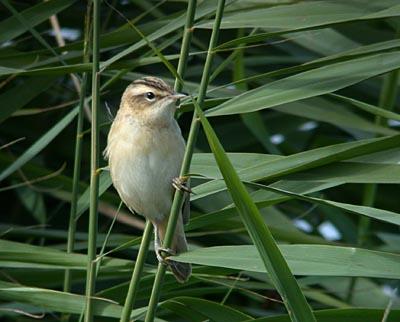
Sedge Warbler, just outside the hide, but swaying around wildly in the wind.
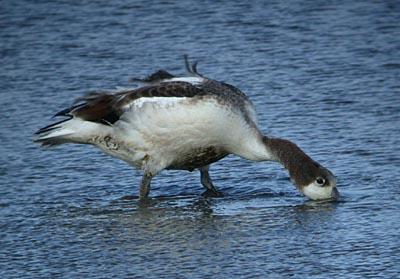

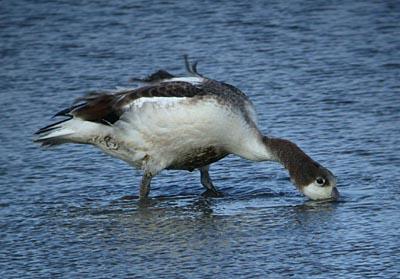
Juvenile Shelduck. Not quite as attractive as the adult birds.

Titchwell is always an interesting place to visit. I think it's the most popular reserve in the country, and is usually full of visitors - birdwatchers, photographers, walkers, aimless wanderers, Sunday drivers and children. Some birders sneer at it, but Titchwell is just a great place.
Some observations:

It seems that everybody has got a digital SLR these days. There was an astounding array of photographic gear on show at the reserve today. Almost as astounding was a telescope which seemed to be held together from gaffer tape.

I had a chat with a Small Boy (around eight years of age). No, make that an interrogation. He hit me with a barrage of questions, some of which included:
  • What's the biggest bird you've seen today?
  • What's the smallest bird you've seen today?
  • Is the Dunlin the smallest British wader?
  • Is the Island Hide a good hide?
  • Is the other hide any good?
  • What kinds of ducks have you seen today?
  • What kinds of gulls have you seen today?
  • Which kinds can I see flying around now?
  • What are those birds? [Ruff]
  • Where did you see the Little Egret?
  • Why did all the birds fly off? [Sparrowhawk]
It must be great to have such an inquisitive mind. I always enjoy encouraging the young birdwatchers of tomorrow. It's very refreshing.

One of the best things about Titchwell - certainly from a digiscoper's point of view - is that the birds there are so used to people walking about on the raised footpath and clanking about in the hides that they pay very little attention. So there's very little call for fieldcraft, because they've seen it all before.

It makes a pleasant change from watching waders at many other sites, where they're skittish and fly off at the first sign of 'trouble'.

I took just over 250 pictures in total today, and have deleted 50% of them after closer inspection on the computer. Most of the remainder are 'mystery bird photo competition' fodder, but some were OK.

digiscoped photos taken with Nikon Coolpix 995 + Leica Apo Televid 62 with 16x eyepiece